United Chemical Show, a Central Asian chemical industry exhibition in Astana
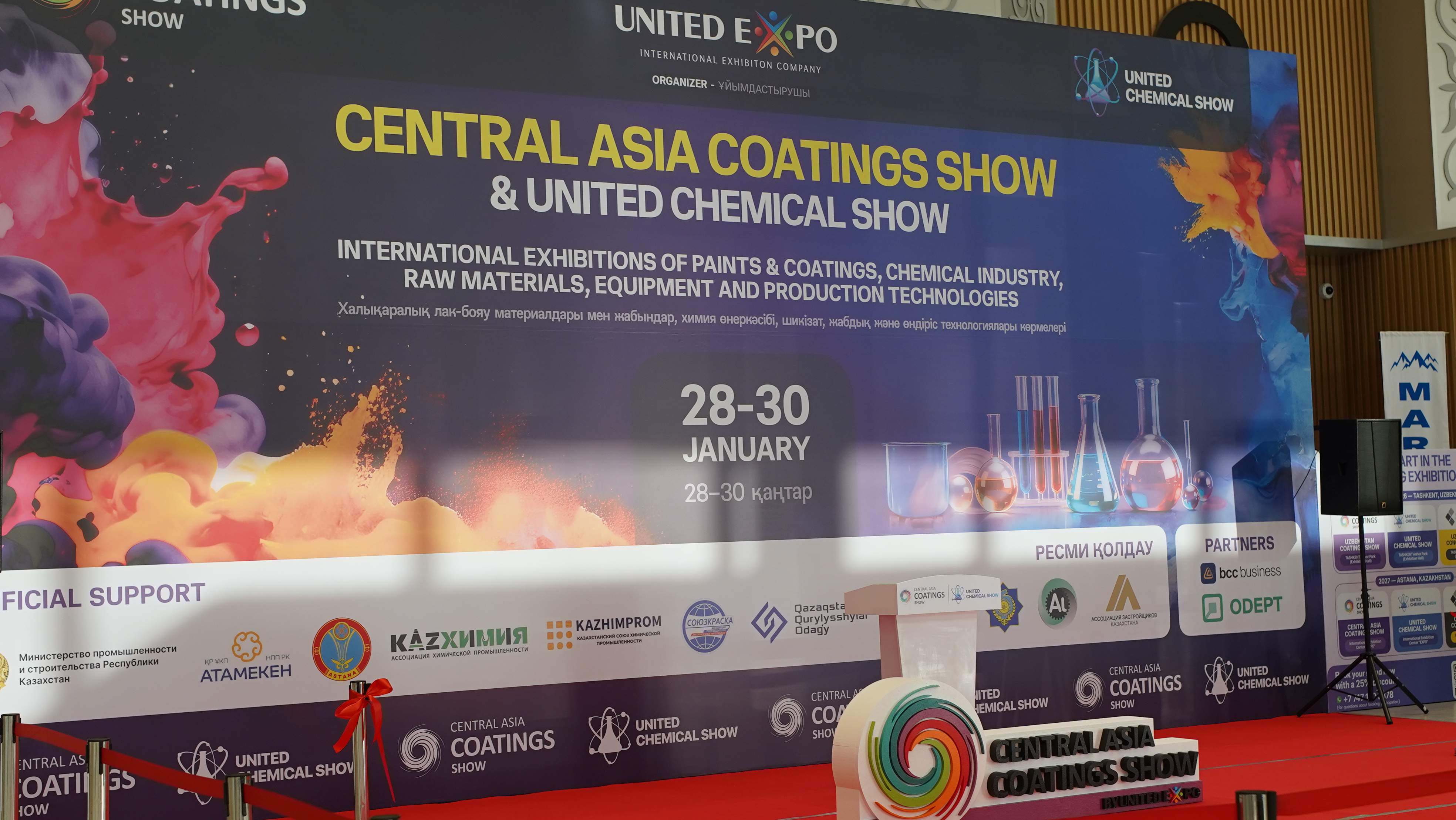
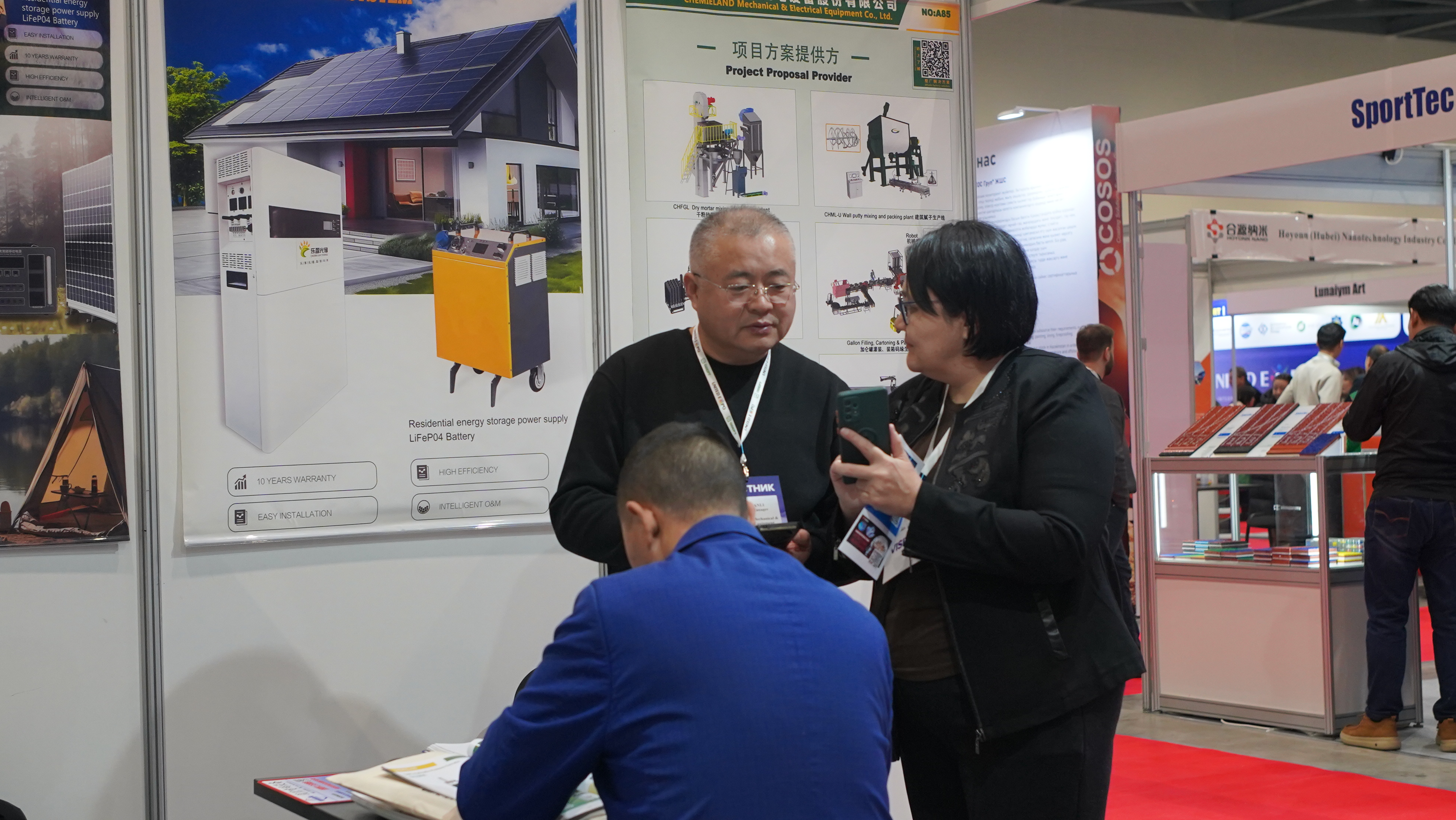
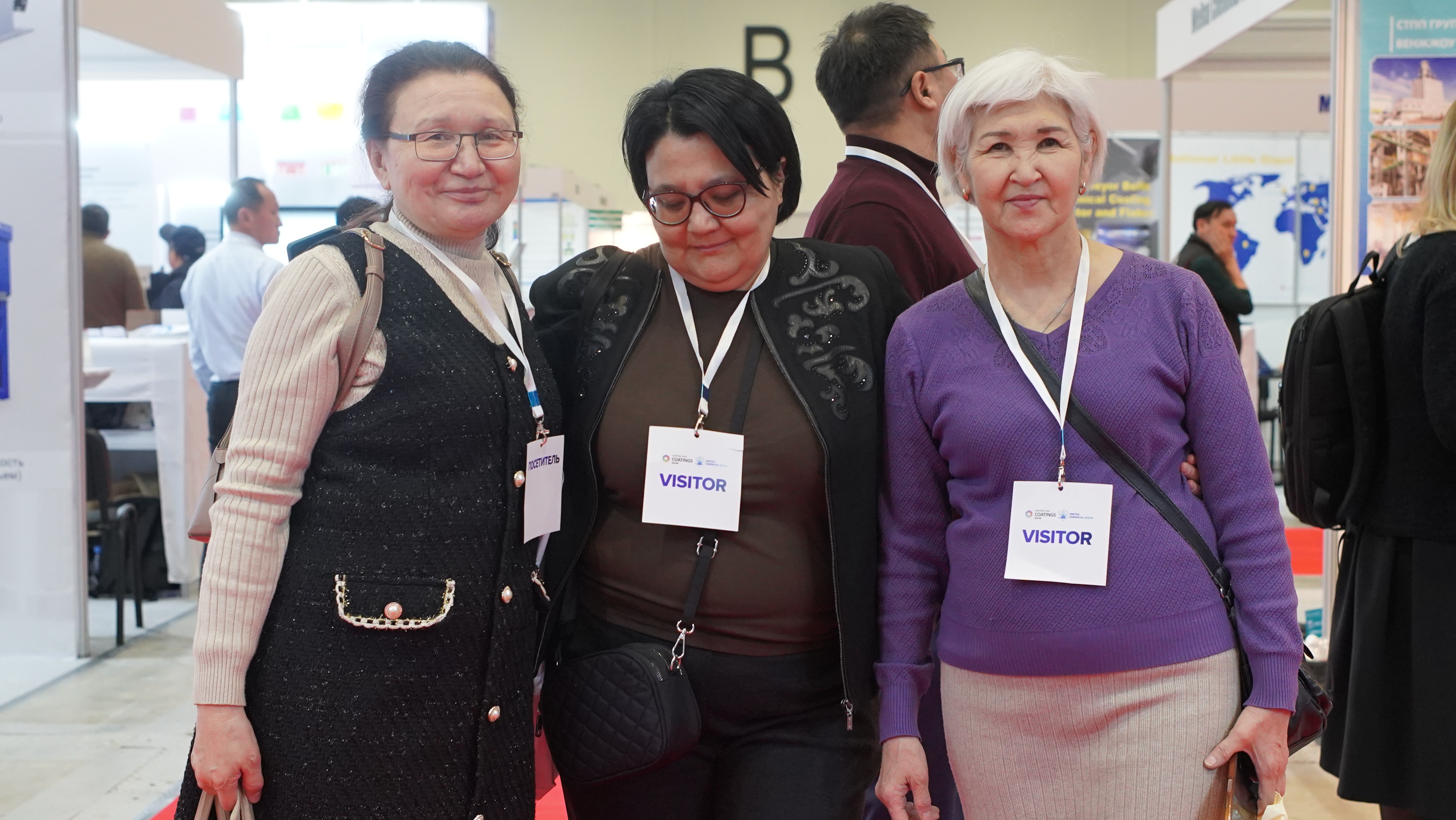
On January 28, 2026, the Climate Research Center team visited the largest international exhibition of the chemical industry in Central Asia, the United Chemical Show, in Astana.
Over 100 participants from 10 countries gathered at the Astana Expo International Exhibition Center to present innovations, technologies, and solutions for the chemical industry.
The chemical industry is one of the key sectors on our planet. It provides us with essential materials, medicines, and fertilizers.
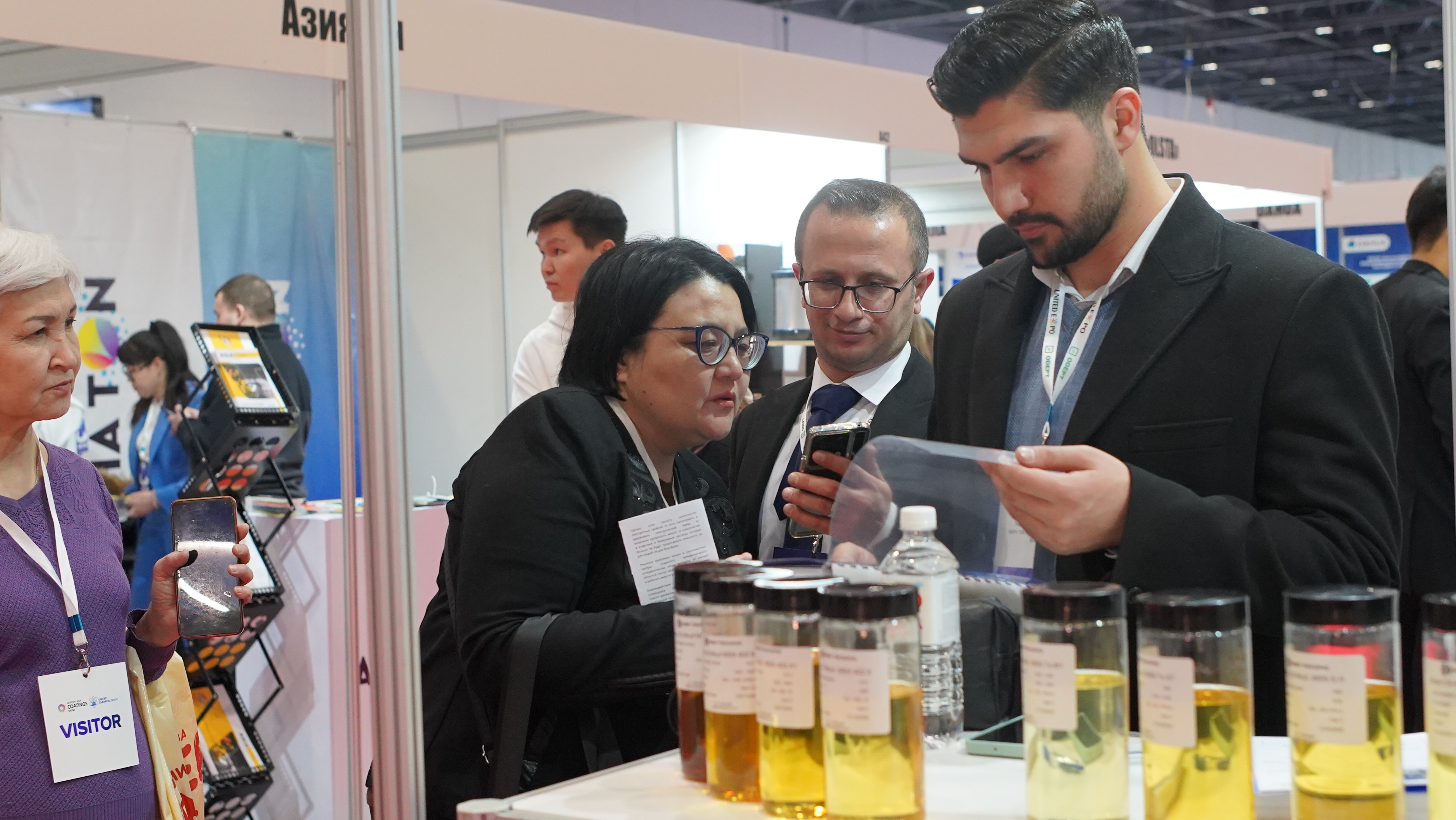
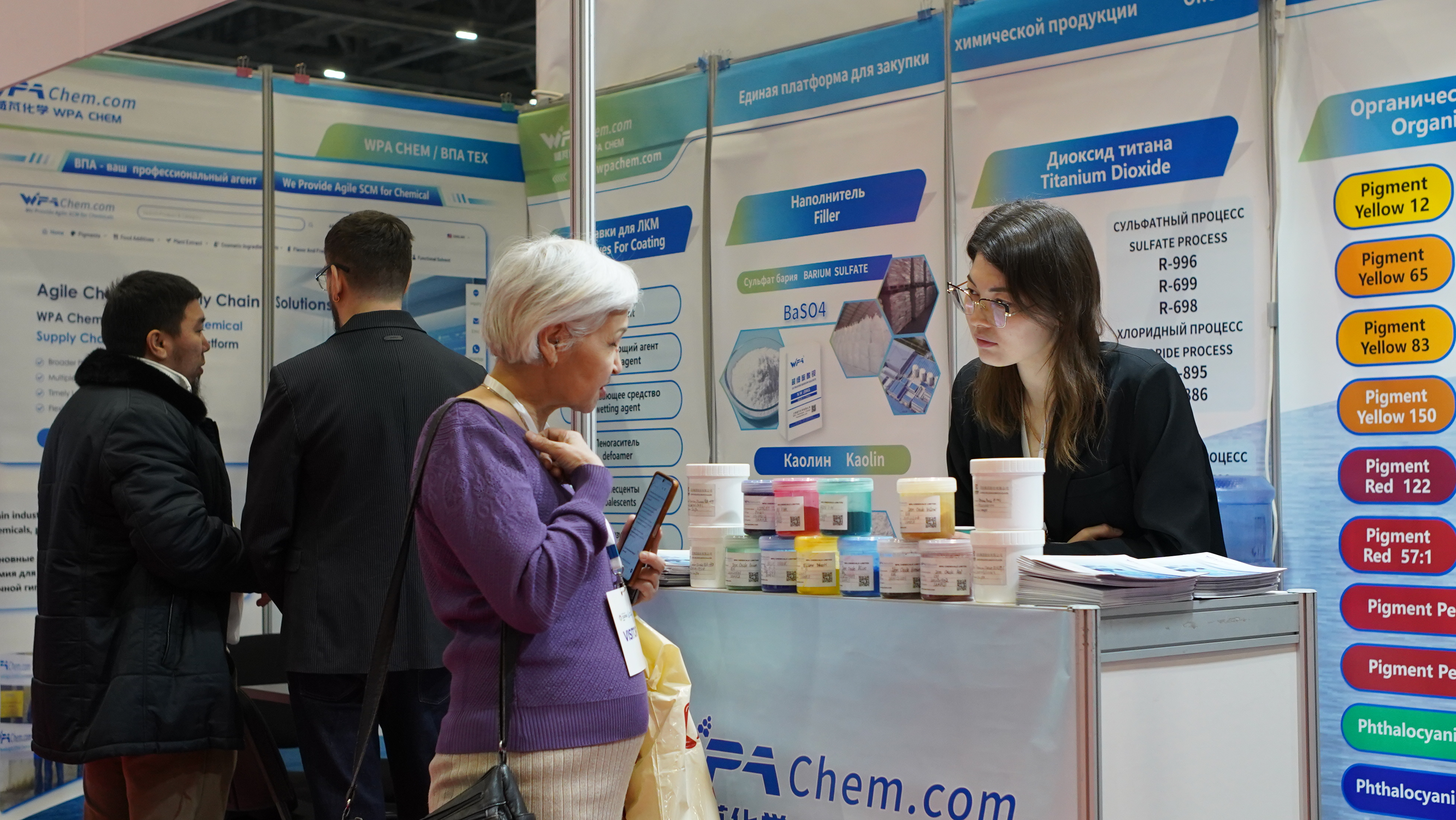
The scale of the exhibition was impressive: representatives of chemical companies from Kazakhstan, Uzbekistan, Kyrgyzstan, China, India, and European countries demonstrated their products and technologies.
The stands showcased:
\- Modern equipment for chemical processing
\- Innovative materials and polymers
\- Industrial emission treatment systems
\- Latest developments in chemical synthesis
The business program brought together over 25 industry experts, who discussed both technological innovations and sustainable development challenges.
We held dozens of insightful discussions with representatives of chemical companies and technologists.
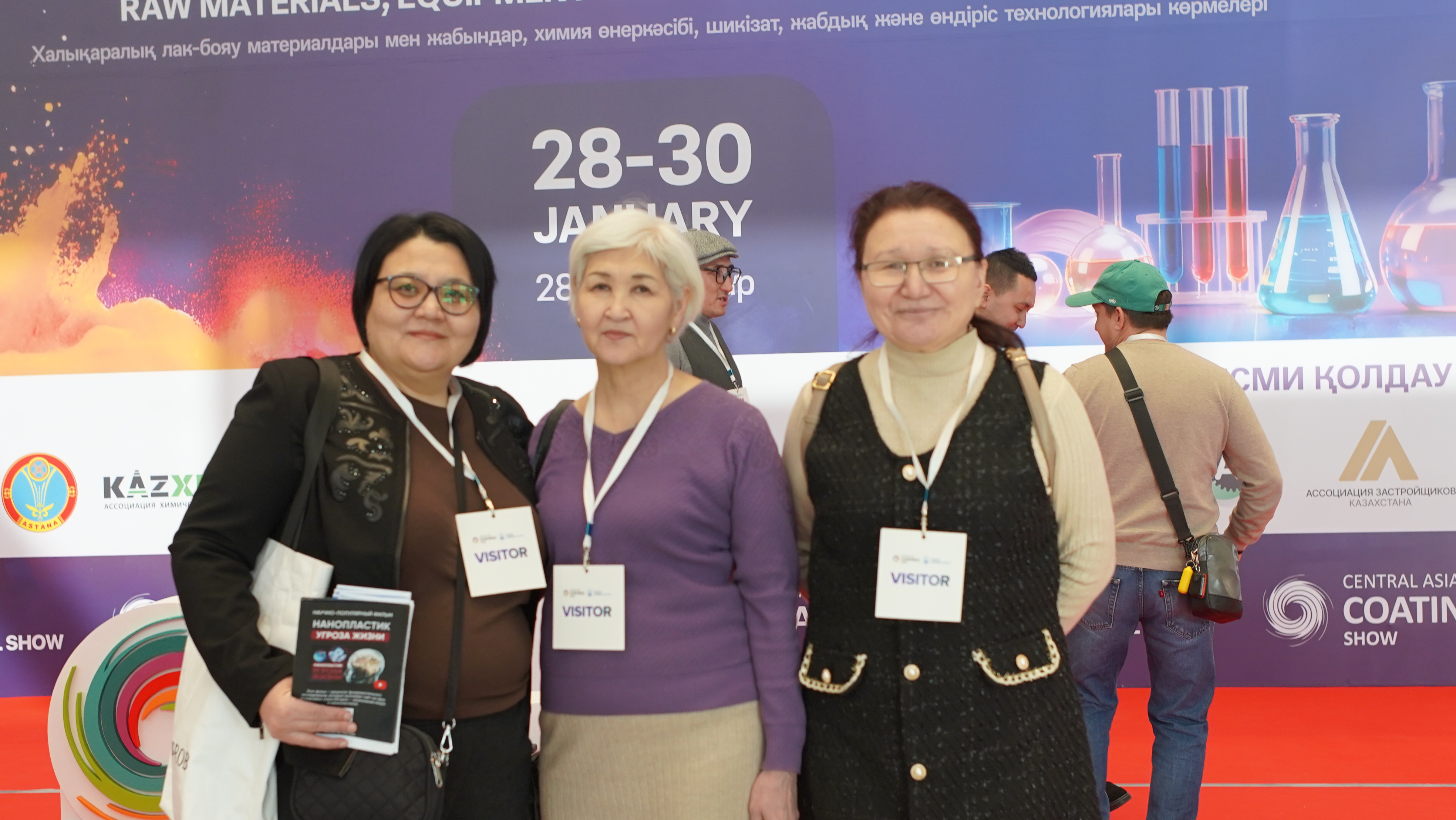
We shared the results of our research on the impact of micro- and nanoplastics on the environment and human health.
Key facts from our report:
Nanoplastics are particles less than 1 micrometer in size that form when plastic products break down. They are so small that they penetrate everywhere.
A critical issue is electrostatic charging.
Nanoplastic particles carry a positive charge, making them particularly dangerous. They are actively attracted to the negatively charged cell membranes of our bodies.
How this affects health:
\- Nanoplastics easily penetrate cellular barriers
\- Accumulate in tissues and organs
\- Found in the blood, lungs, liver, and even the placenta
\- Causes inflammation
\- Disrupts the immune system
\- Can affect hormonal balance
We showed the exhibition participants the scale of the problem: millions of tons of plastic are converted into micro- and nanoplastics every year, polluting water, soil, and air. This is no longer just an environmental problem, but also a medical one.
Many participants showed genuine interest in our work. We exchanged contacts with several company directors who understood the scale of the problem.
This is encouraging: when science provides facts, and business is ready to listen.
United Chemical Show 2026 demonstrated that dialogue between science and industry is not only possible—it's essential.
Photo gallery